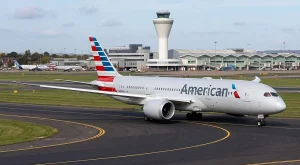
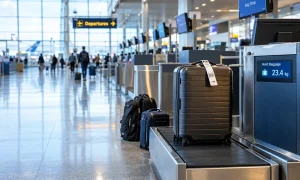
If you have ever landed at Heathrow after a long flight and stood at the taxi rank wondering whether to queue for a black cab or pull up a chauffeur booking, you already know the question matters.
Both get you from A to B. But they are built for different situations, different budgets, and different kinds of travellers. Getting this choice wrong does not just cost you money. It can cost you time, comfort, and in a business context, the impression you make when you arrive.
This guide breaks it all down honestly. What each service is, how the pricing actually works in 2026, where each one wins, and when each one lets you down.
What Is a London Black Cab?
The black cab, officially called a Hackney Carriage, is one of the most recognised vehicles in the world. It has been on London’s streets for over 170 years, and it is still regulated by Transport for London.
The Knowledge of London
To drive a black cab, you need to pass the Knowledge of London. This is widely considered the hardest taxi exam in the world. Drivers must memorise around 25,000 streets and thousands of points of interest within a six-mile radius of Charing Cross. Most take three to four years to pass. It is not an overstatement to say that a fully licensed black cab driver knows London better than almost anyone else on the road.
That level of knowledge matters in practice. A black cab driver can reroute around a road closure, a protest, or a sudden traffic jam without touching a sat-nav. A private hire driver using Google Maps cannot always match that judgement on tight inner-city journeys.
How Black Cabs Work
You can hail a black cab on the street if the yellow “FOR HIRE” light is on. You can also find them at taxi ranks outside train stations, hotels, and major venues, or book one through apps like Gett or Free Now.
Fares run on a TfL-approved meter. The meter starts at £4.40 minimum as of April 2026. It charges based on a combination of distance and time, and switches to a time-based rate when the cab drops below around 10.4 mph. In London traffic, that time-based rate kicks in regularly. The meter never surges the way Uber does, but it does keep running every minute you sit in traffic.
Black Cab Tariffs in 2026
TfL operates three fare tariffs:
Tariff 1: Monday to Friday, 6am to 8pm. Around £4.10 per mile.
Tariff 2: Monday to Friday, 8pm to 10pm. Weekends, 6am to 10pm. Higher rate.
Tariff 3: Every night between 10pm and 6am, and all public holidays. Highest rate.
A typical 30-minute journey in moderate daytime traffic costs between £25 and £40. From Heathrow to central London, the metered fare commonly ranges from £75 to £110 depending on traffic. In genuinely heavy congestion, it can go higher.
All black cabs must accept contactless payment. They are also required by law to be wheelchair accessible.
What Is a Professional Chauffeur Service?
A chauffeur service is a pre-booked, private hire operation. You cannot hail one on the street. Every booking is arranged in advance, either online, by phone, or through a corporate account, and the price is agreed and fixed before the journey starts.
The Vehicles
Chauffeur vehicles are typically executive cars. Mercedes-Benz is the most common choice across the industry, including the S-Class for senior executives and VIP travel, the E-Class for everyday business and airport transfers, and the V-Class for groups or passengers with larger luggage requirements.
These vehicles are maintained to a high standard and offer a noticeably different cabin experience from a black cab. Leather seats, generous legroom, a quiet interior, controlled temperature, water bottles, and sometimes Wi-Fi. The ride itself is part of the service.
The Drivers
Chauffeur drivers hold PCO private hire licences issued by TfL. They also undergo enhanced DBS background checks, which go further than the standard checks required for a basic private hire licence. Most professional chauffeur companies train their drivers specifically in client service, discretion, punctuality, and presentation.
The driver reads the passenger. If you get in and immediately open a laptop or take a call, a professional chauffeur stays quiet. You do not have to ask.
Fixed Pricing and Flight Tracking
Every journey is a fixed price agreed before you travel. Traffic does not change it. If you are stuck on the M25 for an extra 40 minutes, the cost stays the same.
For airport pickups, the driver tracks your flight in real time. If your plane lands early or runs late, they adjust automatically. You do not need to call or send a message. Your driver is already aware.
When you come through arrivals, your driver is standing in the hall with a name board. They take your bags, walk you to the car, and you are on your way. No rank queues, no waiting outside in the cold, no searching for a pickup bay.
The Key Differences Side by Side
Pricing: Meter vs Fixed
This is the most important difference for anyone who travels regularly or needs to manage expenses.
Black cabs charge on the meter. Every minute in traffic adds to the fare. There is no ceiling. On a bad day on the M4 from Heathrow, a metered black cab ride can easily reach £110 or more.
A chauffeur service quotes a fixed price upfront. Whatever happens on the road, you pay what was agreed. For a Heathrow to central London journey in a Mercedes E-Class, a professional chauffeur typically costs around £75 to £95 fully inclusive of meet and greet, waiting time, and luggage assistance.
The gap between the two is smaller than most people assume. In heavy traffic, the chauffeur can actually be cheaper because the fixed price does not increase with congestion.
For business travellers submitting expense claims, fixed pricing is considerably easier to manage. Your finance team gets a clear invoice with VAT included. No guesswork, no variable amounts to query.
Booking: Spontaneous vs Planned
The black cab wins on immediacy. You step out of a meeting, hail a cab on the street, and you are moving within two minutes. No app, no planning, no booking reference. Just a cab.
A chauffeur service requires advance booking. For most journeys, a few hours notice is enough. For airport transfers, 24 hours ahead is the standard recommendation. The trade-off is complete certainty. You know your driver is confirmed, your vehicle is reserved, and the cost is fixed before you leave.
For regular business travellers, booking a chauffeur becomes a natural part of how you organise your day. Most people who use them regularly say the certainty removes a source of low-level stress they did not fully notice until it was gone.
Airport Transfers
This is where the difference between the two services is felt most clearly.
At Heathrow by black cab: You follow the signs to the taxi rank outside your terminal. You join the queue. Wait times vary. At busy arrival times, particularly in the morning when multiple transatlantic flights land within the same window, the queue can be long. You load your own bags, give the driver your destination, and the meter starts.
<cite index=”9-1″>As of 2026, black cab driver numbers in London have fallen below 17,000, the lowest since 1978.</cite> At peak arrival times, taxi rank queues at major airports reflect that shortage.
At Heathrow by chauffeur: Your driver has been tracking your flight. They arrived at the airport based on your actual landing time, not your scheduled time. They are standing in the arrivals hall with your name on a board when you walk through. They take your bags. You walk to the car together. The car is parked and waiting. You sit down, the price is already agreed, and you leave.
After a long overnight flight or a demanding day of back-to-back meetings, those practical differences feel significant.
For Heathrow airport transfers, Gatwick airport transfers, and London City airport transfers, a pre-booked chauffeur service removes the variables that a black cab rank cannot control.
Vehicle Comfort
A black cab is built for urban practicality. It is spacious enough for luggage, wheelchair accessible, and purpose-designed for London’s streets. The interior is functional. The seats are firm. There is no climate control aimed at passenger comfort, no Wi-Fi, and no amenities beyond getting you to your destination.
A chauffeur vehicle is designed around the passenger experience. A Mercedes S-Class has heated and ventilated leather seats, a genuinely quiet cabin, and significantly more legroom than any standard taxi. The difference on a 45-minute journey from the airport after a long flight is not a minor thing.
Privacy and Discretion
Black cab drivers in London are famously conversational. Many passengers genuinely enjoy this as part of the London experience. For a tourist heading to their hotel, the chat is part of the charm.
For a business traveller who needs to make calls, work on a presentation, or simply sit quietly before a demanding meeting, the same thing becomes a source of stress.
Chauffeur drivers are trained to follow the passenger’s lead. If you want silence, you get silence. If you want to take a call on speaker, the driver is discreet. Confidential conversations between colleagues happen without anyone asking the driver to stay quiet first.
Corporate Accounts and Expense Management
For companies that move staff and clients around London regularly, the administration of transport matters as much as the journey quality.
Black cabs accept card payments, and apps like Gett allow some centralised billing. But managing receipts across multiple drivers, tracking spending, and reconciling individual transactions for a team of regular travellers takes real effort.
Professional chauffeur services built for corporate travel work differently. Every journey generates an automatic VAT invoice. A travel manager can see all bookings in one place, set spending limits, and pull a full journey report without chasing anyone for receipts.
For any company with multiple employees using transport regularly in London, this operational difference has a practical value that goes beyond the quality of the ride.
Safety and Licensing
Both services are licensed by TfL and both hold the insurance requirements that come with those licences. Passengers are protected in either vehicle.
The difference is in the depth of background checking. Black cab drivers complete the Knowledge of London and go through thorough TfL vetting. Professional chauffeur companies additionally run enhanced DBS checks, which go further than the standard private hire licence requirement. For organisations transporting senior executives, high-profile clients, or staff in sensitive roles, that additional layer matters.
What Does It Actually Cost in 2026?
Here is a realistic breakdown for common London journeys.
Heathrow to Central London (approximately 15 miles)
Black cab: £75 to £110 on the meter depending on traffic. In heavy congestion, it can go higher. There is no cap.
Chauffeur (Mercedes E-Class): Fixed price typically £75 to £95, fully inclusive of meet and greet, flight tracking, waiting time, and luggage assistance.
The price difference is much smaller than most people expect. When you factor in the queue time at the rank, the waiting time built into the chauffeur price, and the meet-and-greet service, many travellers find the chauffeur works out similar or better in total value.
Short Central London Trip (2 to 3 miles)
Black cab: £12 to £25 depending on traffic and time of day.
Chauffeur: Fixed price from around £25 to £35, often with a minimum booking charge.
For short spontaneous trips in central London, the black cab is cheaper and more practical. No booking, no minimum, available immediately.
Late Night Airport Run
Black cab at Tariff 3 (after 10pm): Heathrow to central London can reach £120 or more.
Chauffeur: Same fixed price regardless of time of night. No late-night premium for the passenger.
For late-night airport transfers, the fixed-price chauffeur is almost always the better choice financially as well as practically.
When to Use a Black Cab
There are situations where a black cab is simply the right answer.
You need transport immediately with no notice. You are taking a short trip around central London where cost predictability does not matter. You do not have a smartphone or a pre-existing booking. You want to experience the classic London taxi as part of your visit. You are travelling somewhere that a chauffeur minimum charge would make disproportionately expensive.
Black cabs are excellent for what they are designed for: spontaneous, reliable urban transport in central London where a hailable vehicle is exactly what you need.
When to Use a Chauffeur Service
A professional chauffeur is the right choice when the journey itself matters.
You are travelling to or from an airport. You are collecting or transporting a client. You have a meeting or a flight with a non-negotiable departure time. You need a fixed price for expense reporting. You want a specific vehicle class and consistent presentation. You need a quiet environment during the journey for calls or work. You are moving a group of people and need everyone in the same vehicle. You want someone who monitors your flight and adjusts without being asked.
For most regular business travellers in London, the answer ends up being both, depending on the type of journey. Black cabs for short spontaneous trips during the day. A pre-booked chauffeur for anything involving an airport, a client, or a situation where reliability and professionalism are non-negotiable.
A Note on Uber and Minicabs
Uber and other ride-hailing apps sit in a different category from both black cabs and professional chauffeurs. They are private hire, so they cannot be hailed on the street. Since January 2026, all Uber and Bolt fares include 20% VAT following a change in HMRC regulations, which pushed typical fares up by £10 to £15 on airport runs.
Uber Black, the premium tier, uses licensed private hire drivers in executive vehicles. It sits somewhere between a standard minicab and a professional chauffeur service, but without the pre-assigned driver, the flight tracking, or the guaranteed vehicle class. For low-stakes travel where price is the main consideration and you do not need certainty, it works. For anything where the details matter, a dedicated chauffeur service is more reliable.
The Bottom Line
Neither option is the wrong choice. They are designed for different needs and both serve those needs well when used in the right situation.
If you need transport now, a black cab is excellent. The drivers know London better than anyone, the vehicles are available across the city, and you do not need to plan ahead.
If you need reliability, a fixed price, a professional environment, and a driver who handles the details without being asked, a chauffeur service delivers something a black cab is simply not designed to offer.
Most regular London business travellers use both. The key is knowing which one the situation actually calls for.
If you need a professional chauffeur service in London or an airport transfer with fixed pricing and flight tracking, we cover all major London airports and city destinations with our Mercedes-Benz fleet.
Frequently Asked Questions
No. Only black cabs with a lit "FOR HIRE" sign can be hailed on the street. Chauffeur services and all private hire vehicles must be pre-booked through a licensed operator. Anyone offering a ride on the street without being a black cab is touting and is unlicensed and uninsured.
The metered fare typically ranges from £75 to £110 depending on traffic. In very heavy congestion it can go higher. There is no fixed cap on the metered fare.
Around £75 to £95 for a Mercedes E-Class, fully inclusive of meet and greet, flight tracking, waiting time, and luggage handling. The price is fixed at booking and does not change.
Yes. Your driver monitors your flight in real time and adjusts the pickup automatically if your arrival time changes. You do not need to call ahead.
For short inner-city trips, usually yes. For airport transfers, the gap is much smaller than most people expect, and in heavy traffic a metered black cab can actually cost more than a fixed-price chauffeur.
A chauffeur service. Your driver meets you in the arrivals hall, takes your bags, and the price is fixed regardless of traffic. Black cab ranks at major airports can have meaningful queues, particularly in the morning when multiple long-haul flights land together.
Yes. Fixed pricing, automatic VAT invoicing, and corporate account management make chauffeur services significantly easier to administer than black cabs or ride-hailing apps for regular business travel.
Fewer than 17,000 as of 2026, the lowest number since 1978. This affects availability at taxi ranks during busy periods, particularly at airports.
Yes, through apps like Gett or Free Now. However, the fare still runs on the meter from the pickup point, so the price is not fixed at booking the way a chauffeur journey is.