UK Duty-Free Shopping: Is It Worth It?
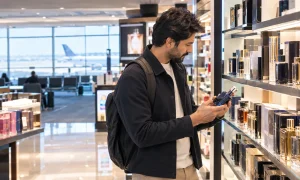
Walk through any UK airport departure lounge and you will see it right away. Shelves of whisky, rows of perfume, towers of chocolate, and glass cabinets full of watches and handbags. Big signs telling you how much you are saving. Staff offering samples and gift wrapping.
It looks like an opportunity. And sometimes it genuinely is.
But not always. That is the honest truth about UK duty-free shopping. Some products offer real, measurable savings that are worth planning for. Others are barely different from what you would pay on the high street. And a few things are simply not worth buying at all, regardless of what the label says.
This guide gives you the full picture so you can walk into any UK airport duty-free store with a clear head and spend your money wisely.
What Is Duty-Free Shopping?
Duty-free shopping means buying goods without paying certain local or national taxes. When you buy something in a regular shop in the UK, the price includes VAT (Value Added Tax), which is currently 20%. It may also include excise duty on things like alcohol and tobacco. At a duty-free shop, those taxes are removed or reduced, which is why the prices can be lower.
The key word there is “can be.” Not every item in a duty-free store is genuinely cheaper than what you would find on the high street or online. Some items are very good value. Others are priced similarly to regular retail, just dressed up with “duty-free” branding to make you feel like you are getting a deal.
Understanding the difference between the two is the most important thing you can do before you shop.
How Brexit Changed the Rules
Many UK travellers are still confused about this, so it is worth being clear.
Before the UK left the European Union, you could not buy duty-free when travelling between the UK and EU countries. That changed after Brexit. Now you can shop duty-free whether you are flying to France, Spain, Italy, or anywhere else in the EU, just as you could when travelling to the USA or Australia.
This was a significant change. Millions of UK travellers who previously only flew within Europe now have access to duty-free shopping they did not have before. At the same time, the UK increased its arrival allowances, making the limits quite generous for returning travellers.
Current UK Duty-Free Allowances
Since the UK left the European Union, the duty-free rules have changed. You now have duty-free allowances whether you are travelling to EU countries or non-EU countries. Previously, you could not claim duty-free benefits when travelling within the EU from the UK.
Here is what you are currently allowed to bring back into the UK from abroad without paying tax or duty:
Alcohol allowances: You can bring back one of the following. Not a combination, just one category. 42 litres of beer. Or 18 litres of still wine. Or 4 litres of spirits over 22% alcohol. Or 9 litres of sparkling wine or fortified wine such as port or sherry. Actually, you can also split some of these, but the easiest way to think about it is to stay within these limits to avoid any issues at customs.
Tobacco Allowances
- 200 cigarettes
- 100 cigarillos
- 50 cigars
- 250g of tobacco
- 200 sticks of tobacco for electronic heating devices
You can also mix categories, as long as you do not exceed 100% of the total allowance across all tobacco products combined.
Other Goods
For everything else, including perfume, clothing, electronics, gifts, and souvenirs, the current allowance is £390 per person. If the total value of your other goods goes above £390, you will need to pay duty and VAT on the full amount, not just the amount above the limit.
A few rules that many people do not know:
- Allowances are per person. You cannot combine yours with a travel companion to buy a single expensive item.
- You must be 17 or older to use your alcohol and tobacco allowance.
- All goods must be for personal use or as a gift. Buying duty-free to resell is not allowed.
- If you go over your allowance in any category, you pay duty on all goods in that category, not just the excess.
Key point to be aware of: If you go over your allowance in any category, you pay duty on all goods in that category, not just the excess. For example, if you bring back 5 litres of spirits instead of 4, you owe duty on all 5 litres, not just the extra litre.
A Note on Northern Ireland
The rules are slightly different if you are arriving into Northern Ireland from an EU country. In that case, there are effectively no strict limits on duty-paid EU goods brought in for personal use. However, if you are arriving into Great Britain (England, Scotland, or Wales), the allowances above apply whether you are coming from the EU or anywhere else.
Declaring Goods at UK Customs
If you exceed your allowance, you must declare it. You can do this online up to 5 days (120 hours) before you arrive in the UK, which saves time at the border. Alternatively, use the red channel at customs on arrival. Failing to declare goods can result in them being seized, and you could also face a fine or prosecution.
Where Can You Buy Duty-Free in the UK?
You can buy duty-free in the departure area of UK airports, after you pass through security and passport control. Major airports including Heathrow, Gatwick, Manchester, Birmingham, Edinburgh, and Stansted all have large duty-free shopping areas in their departure lounges.
A few things to be clear about:
- You cannot buy duty-free in the arrivals area.
- You cannot buy duty-free in UK town centres or high streets, even if shops advertise tax-free prices for tourists.
- The duty-free rules for buying in a UK departure lounge apply to what you are allowed to take into your destination country. Always check that country’s import limits before you buy.
- Some airports and operators allow you to pre-order duty-free online and collect at the airport. This can save queuing time and sometimes gives you a slightly better price.
Is Duty-Free Alcohol Worth Buying?
Yes, and this is the most clear-cut answer in the whole guide.
Alcohol in the UK is heavily taxed. A standard 70cl bottle of spirits in a supermarket includes both excise duty and VAT in the price. When those taxes are removed, the saving is real and sometimes quite significant.
Typical savings on alcohol in UK airport duty-free:
- Premium whisky (70cl): often 20% to 35% cheaper than UK supermarket price
- Gin (1 litre): typically 15% to 30% cheaper
- Champagne and sparkling wine: usually 10% to 20% cheaper
- Beer and standard wines: smaller savings, but still worth comparing
On a bottle of premium Scotch whisky that retails for £65 in a UK supermarket, you could realistically save £15 to £25 at duty-free. On a one-litre bottle of popular gin, savings of £8 to £15 are common.
If you drink spirits regularly or you want to bring a gift back from a trip, alcohol is the single best category to buy duty-free. The savings are genuine.
Tips for buying alcohol duty-free:
- Buy one-litre bottles where available, as they offer better value than standard 70cl sizes.
- Check your destination country’s import limits before you buy in the UK departure lounge.
- Stick within the UK allowance when returning, to avoid paying duty on your full purchase.
Is Duty-Free Tobacco Worth Buying?
For smokers, yes. Tobacco in the UK is subject to high excise duty, and the prices reflect that. A pack of 20 cigarettes in the UK is among the most expensive in Europe.
Current savings on tobacco:
- 200 cigarettes bought duty-free can be considerably cheaper than the same amount at UK retail prices.
- Rolling tobacco and cigars also offer meaningful savings.
- Savings vary by brand, but the difference is usually significant enough to make a purchase worthwhile for regular smokers.
Things to check before you buy:
- Your destination country’s import rules. Some countries, including certain parts of Asia and the Middle East, have strict tobacco import limits. Exceeding these can result in fines.
- The age restriction applies here too. You must be 17 or over to buy tobacco duty-free in the UK.
Is Duty-Free Perfume and Cosmetics Worth Buying?
This is where things get more mixed.
Perfume is one of the most heavily promoted products in airport duty-free shops. The displays are polished and the staff are attentive. But the saving you actually get depends entirely on the specific product and how much it costs elsewhere.
Perfume is not subject to excise duty, only VAT. So the maximum possible saving at duty-free is around 20%. In practice, you will often find it is less than that, because many luxury brands control their pricing tightly across all channels.
What to watch out for:
- Some perfumes are barely cheaper at duty-free than at Boots or The Perfume Shop.
- Online retailers and discount fragrance sites often sell popular fragrances at prices that compete with or beat duty-free.
- Exclusive airport editions or large bottle sizes (100ml or 200ml) can sometimes offer better value than the standard retail version.
The best approach with perfume: Check the price online before you travel. If the duty-free price is at least 10% to 15% cheaper, it is probably worth buying at the airport. If the saving is only a few pounds, it is not worth rushing to the counter.
Is Duty-Free Chocolate and Food Worth It?
Mostly no.
Chocolate and confectionery do not carry excise duty. They only attract VAT. So the possible saving is limited to around 20%, and in practice it is often much less because airport retail margins are different from supermarket margins.
What you are often paying for in airport food duty-free is the packaging, the brand association, and the convenience. A large gift tin of biscuits or a luxury chocolate assortment might feel like a special purchase, but compare the price per gram and you will frequently find better value in a supermarket.
The exception: If the product is a genuine UK exclusive, a limited edition, or something that is genuinely hard to find elsewhere, then buying it at duty-free as a gift makes sense. It is the availability, not the discount, that justifies the purchase.
Is Duty-Free Electronics Worth Buying?
Sometimes, but you need to do your research first.
For high-value items where 20% VAT adds up to a meaningful amount (cameras, headphones, smart watches, and similar products), the saving can be worthwhile. On a camera worth £800, removing VAT saves you around £133.
Before buying electronics at duty-free, check these things:
- Is the same product available cheaper from an online retailer, even after accounting for the VAT saving?
- Will the warranty be valid in the UK or your destination country?
- Is the product region-specific? Some electronics sold in airport duty-free stores are configured for international markets, which can cause issues with software, plugs, or customer support.
Watches and jewellery are a slightly different story. Upmarket watch boutiques in major UK airports such as Heathrow often carry a genuinely wide range of luxury timepieces. For premium watches where the VAT saving is substantial, the airport can be a legitimate place to buy.
Tips for Getting the Most Out of Duty-Free Shopping
These are the practical steps that make a real difference:
Before you travel:
- Research the prices of items you want to buy. Note down the UK retail price for alcohol, perfume, or electronics. Then compare in the airport.
- Check your destination country’s import limits for alcohol, tobacco, and food. Rules vary significantly between countries.
- Look at whether the airport’s duty-free shop has an online pre-order service. Many major UK airports allow you to order in advance and collect at the departure lounge, sometimes at a slightly better price.
At the airport:
- Buy alcohol and tobacco first. These are consistently the best value categories.
- Do not assume everything is a bargain. Scan the price tag and compare it to what you know from your research.
- If you are travelling as a group, remember that each person has their own individual allowance. You cannot pool your allowances together.
When returning to the UK:
- Keep your receipts. Border Force officers may ask for proof of purchase, especially for higher-value items.
- If you are over your allowance, use the red channel or declare online before you arrive. Going through the green channel when you are over your limit is illegal, not just risky.
- You can declare goods and pay any duty online up to five days before you arrive in the UK.
The Honest Answer: Is UK Duty-Free Shopping Worth It?
For alcohol: Yes, clearly. The savings are real and consistent. If you drink spirits, wine, or champagne and you are travelling internationally, buying your allowance duty-free is a straightforward, sensible decision.
For tobacco: Yes, for regular smokers. The savings are meaningful and the process is simple.
For perfume and cosmetics: It depends. Do your research beforehand. Only buy if the saving is genuinely significant compared to online or high street prices.
For chocolate and food: Generally no. The savings are small, and you can usually find better value in a supermarket.
For electronics and watches: Sometimes. High-value items where VAT adds a meaningful amount can be worth buying, but always verify the price elsewhere first.
The biggest mistake shoppers make in duty-free is assuming that everything on the shelf is automatically a good deal. It is a shop. Some items represent excellent value. Others are priced to take advantage of the captive audience in a departure lounge.
Go in with a plan. Know your prices. Focus on alcohol and tobacco if those apply to you. And treat everything else as something to compare, not something to assume is cheaper.
Do that, and UK duty-free shopping can genuinely save you money. Walk in without a plan, and you will probably spend more than you needed to.
Travelling through a UK airport soon? National Executive Transfers provides professional chauffeur services to all major UK airports, including Heathrow, Gatwick, Stansted, Birmingham, Manchester, and Edinburgh. Fixed prices, real-time flight tracking, and professional drivers who get you there on time, every time.
Book your airport transfer with National Executive Transfers
Frequently Asked Questions
Buying goods without paying VAT and excise duty. Available in departure lounges at all major UK airports after security. Not available in arrivals areas or UK high streets.
Yes. Since Brexit, UK travellers can buy duty-free on all international flights including EU destinations. Previously this was not allowed for EU travel.
One of the following: 42 litres of beer, 18 litres of still wine, 4 litres of spirits over 22%, or 9 litres of sparkling or fortified wine. You cannot combine categories freely.
200 cigarettes, 100 cigarillos, 50 cigars, or 250g of tobacco. You can mix categories as long as you stay within 100% of the total combined allowance.
£390 per person for all other goods including perfume, electronics, clothing, and gifts. Exceed this and you pay duty on the full amount, not just the excess.
Yes. Premium spirits can be 20 to 35% cheaper than UK supermarket prices. Alcohol is consistently the best value category in any UK airport duty-free store.
Not always. Perfume only saves VAT — around 20% maximum. Many brands are similarly priced online. Check the retail price before you travel and only buy if the saving is at least 10 to 15%.
Generally no. Food carries no excise duty so savings are minimal. You can usually find better value in a supermarket before you travel.
You must declare it using the red channel or online up to 5 days before arrival. If you exceed your allowance in any category, duty applies to all goods in that category — not just the excess.
Yes. Most major UK airports including Heathrow, Gatwick, Manchester, and Birmingham allow online pre-ordering with collection in the departure lounge, sometimes at a slightly better price.