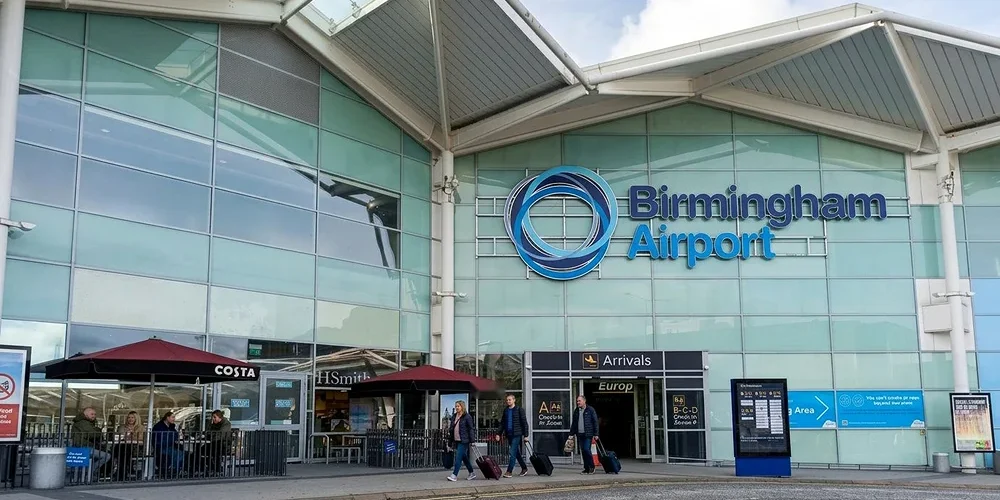
The Birmingham Airport master plan is a draft, not an approved scheme. Published on 8 October 2026, it proposes more than £2bn of investment to 2041, according to the airport’s announcement. It would raise capacity to about 30 million passengers a year using the existing runway. Nothing about getting to the airport changes today, but the plan points to bigger terminal, road and pick-up changes over the next 15 years.
This guide separates what’s confirmed from what’s only proposed. It also explains what the plan could mean for drop-off, parking, taxis and chauffeur transfers.
Birmingham Airport master plan at a glance
| Item | What the draft says | Status |
|---|---|---|
| Investment | More than £2bn over about 15 years | Proposed |
| Passengers | About 30 million a year by 2041, up from 13.65 million in 2025 | Proposed |
| Runway | Use the existing runway; no new runway | Proposed |
| Terminal | North and south terminals combined, with about 60% more floor area | Proposed |
| Aircraft stands | Rising from about 41 or 42 to between 70 and 75 | Proposed |
| First phase | Could start in 2027 | Possible, not committed |
| Consultation | 16 October to 4 December 2026 | Confirmed |
| Final plan | Expected in early 2027 | Planned |
What’s confirmed in the Birmingham Airport master plan
A draft is published and open for comment
Birmingham Airport published its draft Master Plan on 8 October 2026. The airport calls it a long-term vision for how the airport could grow to 2041. Feedback is open until 4 December 2026, online, by email or by post.
Consultation events are running
The airport is holding 20 public events. They started on 16 October in Hampton in Arden and finish on 21 November at Warwick Racecourse. We list the remaining dates below.
What happens after the consultation
The airport says it will review all feedback and publish a consultation report in 2027. It expects to finalise the Master Plan in early 2027. Individual projects would still need their own approvals, according to trade reports.
What’s still only proposed
The £2bn and the 30 million target
Officially, the £2bn is proposed investment, and its final scope depends on the consultation and future funding. Birmingham Airport’s chief executive has said delivery relies on a fair and stable tax environment, and warns that the investment may not materialise otherwise. Treat the 30 million figure as an ambition, not a forecast.
A bigger single terminal
The draft proposes combining the north and south terminals into one integrated terminal, about 60% larger than today’s. Passenger processing would expand too, including check-in, bag drop, security, immigration, baggage reclaim and departure lounges, according to a summary of the draft.
More stands and aircraft movements
Aircraft stands would rise from about 41 or 42 to between 70 and 75 by 2041, according to Place Midlands and Aviation Week. Aviation Week also reports that annual aircraft movements would grow from fewer than 100,000 in 2025 to about 180,000 by 2041.
Jobs and the regional economy
The airport estimates the plan could create more than 50,000 jobs, including 3,800 at the airport. It also estimates £3.6bn in extra gross value added for the West Midlands. Those are the airport’s own estimates, and the consultation hasn’t tested them yet.
No second runway: what that means
Making more of one runway
The plan focuses on using the existing runway more efficiently. That means more stands, taxiway improvements and larger aircraft holding areas rather than a new runway. Aviation Week reports that the airport expects the average number of passengers per flight to rise by around 20% as airlines use larger aircraft.
What this means for travellers
Passenger numbers could grow faster than flight numbers. For travellers, that points to busier terminals and more pressure on the roads, rail and parking around the airport. The surface-access proposals matter for exactly that reason.
Why Birmingham Airport wants to grow
Record passenger numbers
Birmingham Airport handled a record 13.65 million passengers in 2025, up from 10.2 million a decade earlier, according to Aviation Week. That growth explains the push for more stands, more processing capacity and better access.
An airline mix dominated by four carriers
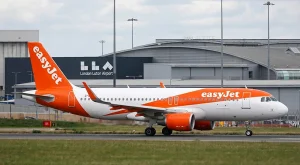
Ryanair, Jet2, easyJet and TUI Airways accounted for more than three quarters of the airport’s summer capacity, Aviation Week reports. Airlines also offered about 5.56 million departure seats in summer 2026, up 3.3% on the year before. Scheduled destinations rose from 128 to 135.
A separate earlier programme
The £2bn plan is separate from a £300m investment programme announced in October 2025, according to Planning Geek. That earlier programme covered initial improvements to 2029, while the new draft looks ahead to 2041.
Proposed timeline by phase
A published summary of the draft splits the work into three phases:
| Phase | Proposed work |
|---|---|
| 2026 to 2031 | Northern stands; baggage handling and reclaim expansion; departure lounge extension; parking and surface-access changes; Car Hire Village changes for HS2 people mover works |
| 2031 to 2036 | Further terminal expansion; satellite boarding facilities; more stands; more parking; Bickenhill Lane realignment |
| 2036 to 2041 | Integrated terminal completion; new pier; more apron and stands; second road access and off-site support areas |
The draft also covers Elmdon, the historic original terminal. According to that summary, the plans there include new parking, a centralised security checkpoint, a replacement fuel farm and a possible hotel conversion. For timing, the airport says only that its first phase “could” start in 2027, and dates can change as the plan is finalised.
What it means for getting to Birmingham Airport
Today: nothing has changed
The master plan doesn’t change any current arrangement. Drop-off, pick-up, parking and taxi rules stay as the airport publishes them today. The draft refers to surface-access improvements. However, a DM News report notes that it sets out no taxi or private-hire access charge, rank policy or permit scheme.
Pick-up and drop-off
The draft says changes to the airport’s internal roads and a realignment of Bickenhill Lane will be needed for terminal expansion. It aims to improve capacity for pick-up and drop-off, buses and coaches. Details of any new layout aren’t set out.
The airport currently recommends Car Park 5 for pick-ups, so the proposal for Car Parks 4 and 5 is worth watching. Until then, our guide to Birmingham Airport drop-off charges explains how the current areas work.
Parking
Passenger growth would need more parking and reconfiguration, according to the draft. The summary of the plan lists around 9,000 additional passenger spaces, excluding replacement parking lost to development. It also says Car Parks 4 and 5 would eventually be taken over by apron expansion and replaced elsewhere.
One local press report says the airport’s main aim is to raise the share of people arriving by public transport. These details come from summaries, so check the plan itself.
Our comparison of airport parking vs a chauffeur shows how costs stack up today, and it’s a useful baseline while the plan develops.
HS2 and the people mover
The plan talks about integrating with HS2’s Birmingham Interchange station and its Automated People Mover. It also mentions changes to the Car Hire Village to allow for people mover works. That’s a long-term change to how rail passengers reach the terminal, and it doesn’t affect pick-ups today.
Roadworks and building work
Birmingham Airport has already flagged major HS2 motorway works across the West Midlands in 2026. Check the HS2 information before you travel. If the master plan proceeds, building work around the terminal could bring further changes to access routes. The airport will announce those through its own notices.
If you’d like a fixed price for your journey, our Birmingham Airport transfers page explains how pick-ups work.
What it could mean for passengers
A different terminal experience
One combined terminal could mean a more consistent journey from check-in to the gate. The draft plans extra capacity for check-in, bag drop, security and baggage reclaim. Queues could improve if the capacity arrives in time, but that depends on delivery.
More routes and long-haul ambitions
Connectivity sits at the heart of the plan. Aviation Week reports a forecast that long-haul traffic could treble over the 15 years. It cites Middle East and South Asia services, restored scheduled transatlantic flights and potential Far East links as drivers. Separately, the airport has offered funding to bring back direct New York flights from summer 2027, but no airline is confirmed. We’ll keep to what’s published.
What passengers may notice first
The first phase focuses on baggage handling and reclaim, new stands and surface-access changes. That suggests the earliest changes would be in baggage areas and on the airfield, with larger terminal works coming later. Timings remain subject to approvals and funding.
Roads and congestion
Better surface access is a stated priority, according to trade coverage of the draft, so that growth doesn’t bring equivalent growth in road congestion. For taxi and chauffeur users, that matters most at peak times, when drop-off areas and approach roads are busiest. The consultation is the place to ask how the airport will manage it.
Construction disruption
Large building projects bring disruption, such as diversions, temporary layouts and changed walking routes. The draft expects phased work, with the first phase involving baggage, stands and surface access. Allow a little extra time as work starts, and read the airport’s notices before you travel.
For business travellers and regular flyers
Companies that use Birmingham Airport regularly should watch the consultation. Surface access, drop-off arrangements and rail links all affect journey time. A transfer with a fixed, pre-agreed rate and flight monitoring removes some of that uncertainty. Your driver follows your flight, so the pickup moves if it lands early or late. Check how any future changes affect your regular routes.
How we sourced this guide
We checked Birmingham Airport’s own announcement and master plan page first. For details inside the 102-page draft, we used trade and local press summaries, and we say so where a figure comes from them. We haven’t reproduced the full document, so read the draft yourself if a detail matters to your plans. Everything here reflects what was published by 21 October 2026.
What to look for in the consultation
If you travel through the airport often, a few questions are worth raising. The draft is broad, and detail on access arrangements is still limited.
- How will pick-up and drop-off areas change, and when?
- What will happen to taxi and private hire access during building work?
- How will rail and the HS2 people mover link to the new terminal?
- Will parking capacity and prices change as the terminal grows?
- What will limit disruption on the roads around the airport?
How to have your say
Remaining consultation events
The airport lists these events. Dates and venues can change, so check the airport’s master plan page before you go.
| Date | Venue | Time |
|---|---|---|
| Friday 23 October | i9 Railway Drive, Wolverhampton | 11am to 3pm |
| Monday 26 October | Balsall Common Village Hall | 4pm to 8pm |
| Tuesday 27 October | Coleshill Leisure Centre | 12pm to 4pm |
| Wednesday 28 October | St Mary’s Parish Centre, Harborne | 11am to 3pm |
| Friday 30 October | Curdworth Village Hall | 11am to 3pm |
| Saturday 31 October | Jaguar Cars Sports & Social Club, Coventry | 10am to 2pm |
| Monday 2 November | Marston Green Parish Hall | 4pm to 8pm |
| Thursday 5 November | Sutton Coldfield Town Hall | 11am to 3pm |
| Saturday 7 November | The Pump, Kitts Green | 10am to 2pm |
| Monday 9 November | Arden Hall, Castle Bromwich | 4pm to 8pm |
| Tuesday 10 November | Spitfire Services, Castle Vale | 4pm to 8pm |
| Monday 16 November | Dudley Town Hall | 11am to 3pm |
| Wednesday 18 November | Barston Memorial Institute | 4pm to 8pm |
| Friday 20 November | Walsall Arena and Arts Centre | 11am to 3pm |
| Saturday 21 November | Warwick Racecourse | 10am to 2pm |
Other ways to respond
You can also respond online, by email at masterplan@birminghamairport.co.uk, or by post to MASTER PLAN 2026-2041, Birmingham Airport, Birmingham, B26 3QJ. The deadline is 4 December 2026. If you rely on the airport for work or travel, tell the airport which access routes matter most to you.
Planning your airport journeys while plans develop
Check the airport’s notices
The airport publishes travel notices on its website, including roadworks and booking changes. Check them before important trips, particularly early flights and busy weekends.
Leave margin for key journeys
Allow extra time for the roads around the airport, especially during holiday periods and works. A driver who tracks your flight can adjust the pickup if it moves.
Keep your plans flexible
The master plan runs to 2041, so most changes will arrive gradually. Treat any proposed change as unconfirmed until the airport says otherwise.
Book an airport transfer in Birmingham
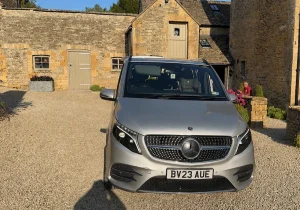
National Executive Transfers provides fixed-price chauffeur transfers to and from Birmingham Airport. We use Mercedes-Benz E-Class, S-Class and V-Class vehicles, with flight monitoring and meet-and-greet. Tell us your flight number, passengers and luggage, and we’ll plan your pickup around current arrangements. Get a quote and book online.
Related Articles
- Birmingham Airport departure guide
- Birmingham Airport arrival guide
- How early should you arrive at Birmingham Airport
Frequently Asked Questions
It’s a draft 15-year plan, published on 8 October 2026, that proposes more than £2bn of investment and capacity for about 30 million passengers a year by 2041.
No. The draft plan proposes making fuller use of the existing runway, with more stands, taxiway improvements and a larger single terminal.
Not yet. The £2bn is proposed investment, and the final scope depends on the consultation, future funding and separate approvals for individual projects.
On 4 December 2026. The airport expects to finalise the plan in early 2027 and publish a consultation report in 2027.
Not today. The draft proposes surface-access changes, including more pick-up and drop-off capacity, but it doesn’t set out taxi charges, rank policy or a new layout.
About 13.65 million in 2025, according to Aviation Week.