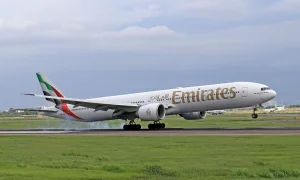
You land at Heathrow with a packed schedule. Four shows, two fittings, and a dinner, all crammed into one day. Your phone’s already buzzing with a venue change. This is Fashion Week, and the transport side of it catches out more people than the shows themselves.
I’ve driven enough of these weeks to know where it goes wrong. The shows are rarely the problem. It’s the gaps between them, the airport run nobody planned properly, and the assumption that a normal taxi booking works the same way it does on a quiet Tuesday.
This is the practical version. Real timing, honest advice on when multi-stop chauffeur hire actually earns its cost, and what genuinely helps once you land.
Why does Fashion Week need a different kind of chauffeur service?
A normal airport transfer gets you from A to B once. Fashion Week needs something else entirely. A service built around a schedule that changes twice before lunch. One that doesn’t tolerate a fifteen-minute delay between a show and a meeting.
Venues shift every season. Recent years have clustered shows around Mayfair, Soho, and increasingly Shoreditch. Showrooms and presentations scatter well beyond the main runway locations too. A driver who only knows yesterday’s postcode isn’t much use when a show relocates at short notice.
Luggage matters more than people expect. Fashion Week travellers carry garment bags, sample cases, and equipment that doesn’t fit neatly into a standard taxi boot. A proper chauffeur service plans for that from the first booking, not as an afterthought at the kerb.
The real difference is flexibility. A single point-to-point booking assumes your day stays fixed. Fashion Week rarely does. What you actually need is a service that adjusts when your third show gets pushed back forty minutes, without rebooking everything from scratch.
What’s the smartest way from Heathrow or Gatwick into London?
Heathrow to central London typically takes 45 to 60 minutes by car outside peak traffic. Closer to 75 minutes during the morning or evening rush. Gatwick runs longer, typically 70 to 90 minutes, since it sits further south and the M23 to M25 stretch adds its own unpredictability.
Both airports connect to central London by rail too. The Heathrow Express reaches Paddington in around 15 minutes, and the Gatwick Express reaches Victoria in about 30. Fast, but only useful if you’re travelling light. Anyone landing with sample cases or genuine wardrobe volume finds the train adds a second, more awkward journey once they’re actually in the station.
A pre-booked chauffeur removes that step entirely. Your driver meets you at arrivals, handles the luggage, and takes you directly to your hotel or first venue. No station transfer, no dragging cases through a concourse. For anyone landing with real volume of clothing or equipment, this alone justifies the booking over the train.
Timing matters more than distance here. A mid-morning landing gives you a sensible buffer if your first show is early afternoon. Build in real slack if you’re landing the same morning as a lunchtime show, since the M25 around Gatwick has no patience for a tight schedule.
Consider booking your airport-to-hotel leg and your first show transfer as a coordinated pair, if you’re arriving the same day your schedule starts. It gives your driver the full picture rather than two disconnected bookings.
What does a realistic back-to-back show day actually look like?
Here’s a genuinely workable structure. Based on how these days actually unfold, not how the schedule looks on paper.
Morning, first show around 10am. Leave your hotel with a minimum 30-minute buffer beyond the drive time, even for a short central London journey. Fashion Week traffic around show venues gets genuinely congested in the final ten minutes before doors close, regardless of how clear the wider route looked.
Between shows, roughly 45 minutes to 90 minutes apart. This is where the day either holds together or falls apart. A 45-minute gap sounds workable until you factor in exiting a venue through a crowd, a five-minute walk to where the car’s actually parked, and traffic between two locations further apart than the map suggests.
Midday, a genuine gap of two hours or more. This is your window for food, a change of outfit if needed, or simply sitting somewhere quiet. Don’t fill it with a fifth commitment unless you genuinely have to.
Afternoon and evening, shows running later. Energy drops here more than people admit. This is when a driver who’s simply waiting, rather than one you’re frantically calling to arrange, makes the day feel considerably less exhausting.
The pattern that actually works: treat every gap under an hour as tight, not comfortable. Build your day around the two-hour gaps instead.
How much buffer do you need between venues, and where do you eat?
Build a minimum 20-minute buffer beyond the estimated drive time, for any two venues within central London. Fashion Week traffic isn’t like normal London traffic. Road closures around major venues, crowds spilling onto pavements, and photographers blocking a drop-off point all add time a normal map estimate doesn’t account for.
If your gap between shows is under 45 minutes, think carefully about whether attending both is realistic. A driver waiting outside a venue can absorb a five-minute delay, but they can’t manufacture time that genuinely doesn’t exist.
Food gets forgotten more than any other part of the day. A two-hour gap is your window for a proper sit-down meal, not a coffee grabbed while walking. Mayfair and Soho both have a strong concentration of quick, quality options within a short walk of most venue clusters. Useful, since you rarely want to travel far during a break this short.
Tell your chauffeur company in advance if your schedule has no proper meal window. A coffee and something simple can be arranged in the car between venues, and it matters more than it sounds after four hours on your feet.
Weather is worth planning for too. September and February, the two Fashion Week seasons, are unpredictable in London. A car waiting means you’re never standing on a pavement in the rain trying to flag down transport between shows.
Multi-stop chauffeur or separate cars for each show: which actually works?
Honestly, it depends on how many stops you’ve got and how tight your gaps are.
Booking separate point-to-point transfers works fine for two or three well-spaced commitments with generous gaps between them. You’re not paying for waiting time you don’t need, and each journey is booked cleanly.
A multi-stop chauffeur booking keeps one driver and car with you across the whole day. It earns its cost the moment your schedule has four or more stops, or gaps under an hour between several of them. You’re not rebooking a new car each time, and you’re not explaining your pickup point again mid-afternoon.
There’s a genuine cost difference too. Typical day rate hire for an executive chauffeur in London runs from around £500 to £900 for a full day, depending on vehicle and hours. Several separate transfers might total less individually, but they add real risk of delay between each one. For a tight schedule, the day rate isn’t really about saving money. It’s about removing the one variable, finding a car on time, that you can’t afford to get wrong on a Fashion Week day.
My honest take: book two separate transfers and save the cost, if your day has a loose morning and afternoon with one clear gap. Book a multi-stop chauffeur service if your day looks like the back-to-back structure most Fashion Week schedules actually become. It’s worth every penny of the difference.
What should you tell your chauffeur company before the week starts?
A few details, given in advance, make the entire week run considerably smoother.
Give your full show schedule upfront, not just your airport arrival. A company working from a single list of venues and times can plan routes and buffers properly, rather than reacting to each booking as a separate, disconnected job.
Flag any venues likely to change. Your driver won’t be caught out checking an outdated address on the day.
Mention luggage and equipment specifically. Garment bags and sample cases change which vehicle actually suits your week, and it’s far easier to sort this in advance than discover it’s a squeeze on day one.
Confirm a single point of contact for the week, whether that’s you directly or an assistant managing your diary. Fashion Week schedules shift constantly. One clear channel for updates avoids confusion between multiple people trying to adjust the same booking.
A quick checklist before Fashion Week begins
- Full show schedule shared with your chauffeur company in advance
- Airport arrival details confirmed, including terminal and flight number
- Luggage and equipment volume mentioned, especially garment bags or sample cases
- A single point of contact confirmed for schedule changes during the week
- Buffer times agreed for any gaps under 45 minutes
- Meal or coffee stops flagged if your day has no proper break window
- Confirmation of what happens if a venue changes at short notice
- Fixed pricing agreed for the full week, not negotiated day by day
Check availability for your Fashion Week week if you’d rather sort your London ground transport as a coordinated whole before you fly. We’ll plan the full schedule around your actual shows.
Why book Fashion Week transport through National Executive Transfers?
Worth being specific about what a proper Fashion Week booking actually includes. Generic chauffeur listings vary enormously.
Your driver works from your full schedule, not a single pickup time. That means adjusting when a show overruns or a venue changes, without explaining the whole day again from scratch.
The Mercedes fleet is chosen to fit your actual week rather than a default booking. An S-Class suits a solo or two-person schedule, while the V-Class works for a small team travelling together. Both carry genuine luggage space, which matters more during Fashion Week than almost any other trip we run.
Flight monitoring covers your arrival, so a delayed landing doesn’t throw off the rest of your day before it’s even started. Fixed pricing is agreed for the whole booking upfront too. A single airport transfer or a full week of multi-stop coverage, either way, there’s no negotiating a new rate each morning.
Get a quote for your London transport if you’d like to talk through your specific schedule before committing. We’ll work out whether separate transfers or a full multi-stop booking actually suits your week.
So what’s the smart way to plan this week?
Here’s the honest summary. Land with a real buffer, particularly through Gatwick. Never book a same-morning arrival against a lunchtime show without genuine slack built in. Treat any gap between venues under 45 minutes as tight rather than workable, and build your day around the two-hour gaps instead.
Book separate transfers for two or three loosely spaced commitments. Choose a full multi-stop chauffeur service the moment your schedule turns into four or more stops with tight gaps between them. That’s where a single driver who knows your whole day genuinely earns the cost.
We’ve driven enough Fashion Week schedules to know the difference between a day that looks fine on paper and one that actually runs to time. Get in touch about your Fashion Week transport if you’d like help planning your specific week. We’ll build it properly around your shows rather than a generic package.
Frequently Asked Questions
As soon as your schedule is confirmed, ideally several weeks ahead, since availability for the week tightens considerably once venues and dates are announced.
Yes, that's exactly what a multi-stop booking is built for, provided the full schedule is shared in advance so routes and buffers can be planned properly.
Often marginally faster door to platform, but it adds a second journey once you're in the station, which matters considerably if you're carrying garment bags or sample cases.
A driver working from your full schedule can adjust quickly, which is exactly why sharing venue details in advance, including any you know might shift, makes a real difference.
Yes, but mention the volume when booking so the right vehicle is arranged, rather than discovering it's a squeeze on the day.
Usually yes if your schedule has several tight days, since it locks in fixed pricing and avoids arranging a new booking every morning.
At least an hour beyond the standard airport-to-venue drive time, more if you're landing at Gatwick given the added distance and M25 unpredictability.
Yes, and for gaps under an hour this is generally more reliable than booking a fresh pickup, since it removes the risk of the next car arriving late.
Typically £500 to £900 for a full day, depending on vehicle and hours, though this varies with how many stops and how much waiting time your schedule actually needs.
Yes, particularly if your schedule has no proper break window, since food or coffee can be arranged in the car rather than lost entirely to a packed day.