Someone drives into central London for a client meeting. They check their bank statement a week later and spot two separate charges from Transport for London on the same day. That’s not a billing error. That’s ULEZ and the Congestion Charge, and yes, they’re both real.
A lot of people assume these are two names for the same thing. They aren’t. They’re two completely separate schemes, run for different reasons, covering different areas, and in plenty of cases, charged on top of each other.
This guide sorts out exactly what each charge covers, what they actually cost right now, and whether your specific trip means paying one, both, or neither. It also covers the bits most guides skip. That includes rental cars, private hire vehicles, and what happens if you’re heading to Heathrow rather than the city centre itself. By the end, working out your own situation should take a couple of minutes rather than an afternoon of cross-referencing TfL pages.
Is ULEZ the same thing as the Congestion Charge?
No. They’re separate schemes with separate goals, and mixing them up is the single most common mistake drivers make before a London trip.
ULEZ (Ultra Low Emission Zone) charges vehicles based purely on how much they pollute. It doesn’t care what time of day you drive, or how busy the roads are. If your vehicle doesn’t meet the emissions standard, you pay, whether that’s 3am on a Tuesday or peak rush hour.
The Congestion Charge works the other way round. It doesn’t care what your vehicle emits at all. It charges you for driving into central London during specific hours, purely to reduce traffic in the busiest part of the city.
Put simply: ULEZ is about pollution, and the Congestion Charge is about traffic. A brand new electric car pays nothing for ULEZ, but it still pays the Congestion Charge if it drives into the zone during charging hours.
Why London runs two separate schemes
TfL introduced the Congestion Charge first, back in 2003, purely to cut central London traffic. ULEZ came later, aimed specifically at air quality, and it now covers a much larger area than the Congestion Charge ever has.
That’s the root of the confusion. Two schemes, introduced years apart, for different reasons, now sit on top of each other across the same streets. Nobody designed them to be simple to explain together, and it shows.
TfL has also run scrappage and retrofit schemes alongside ULEZ over the years, aimed at helping residents and small businesses move away from older, non-compliant vehicles. Those schemes come and go depending on funding. Check current eligibility directly with TfL rather than assuming last year’s terms still apply.
How much does ULEZ actually cost?
The standard ULEZ charge is £12.50 per day for a non-compliant car, van, or motorbike. Larger non-compliant vehicles, like HGVs, pay considerably more under a related scheme.
ULEZ runs 24 hours a day, every day of the year except Christmas Day. There’s no quiet period and no time of day when it switches off, unlike the Congestion Charge.
The zone itself covers the whole of Greater London, right out to (but not including) the M25. That’s a huge area compared to what most people picture when they think of “central London charges.”
Your vehicle avoids the charge entirely if it meets the emissions standard. That’s Euro 4 for petrol engines, covering most petrol cars from roughly 2006 onwards, and Euro 6 for diesel, covering most diesels from around 2015 onwards. Fully electric vehicles pay nothing, regardless of age.
A handful of exemptions exist beyond compliant vehicles. London-licensed taxis don’t pay ULEZ at all. Certain disabled drivers get a grace period running until 24 October 2027, provided their vehicle is registered correctly with the DVLA. NHS patients travelling for treatment can sometimes claim the charge back afterwards, worth checking with the hospital directly. Historic vehicles over 40 years old also qualify for an exemption, treated as heritage vehicles rather than everyday transport.
One exemption that surprises people: a Blue Badge alone doesn’t automatically exempt you. The vehicle itself needs to be registered as a disabled passenger vehicle. Alternatively, the driver needs to be receiving specific disability benefits, for the grace period to apply.
Paying the charge works on a similar window to most TfL schemes. You can pay up to 90 days in advance, on the day itself, or by midnight on the third day after driving. Set up Auto Pay once, and the system charges your registered vehicle automatically every time it enters the zone. There’s nothing left for you to remember on each individual trip.
How much does the Congestion Charge actually cost?
The standard Congestion Charge is £18 per day, following a rise from £15 on 2 January 2026. Pay late, by midnight on the third day after driving, and it climbs to £21.
That’s a meaningfully different structure to ULEZ. The Congestion Charge only applies Monday to Friday, 7am to 6pm, and on weekends and bank holidays from midday to 6pm. Drive through outside those hours, and nothing’s charged at all.
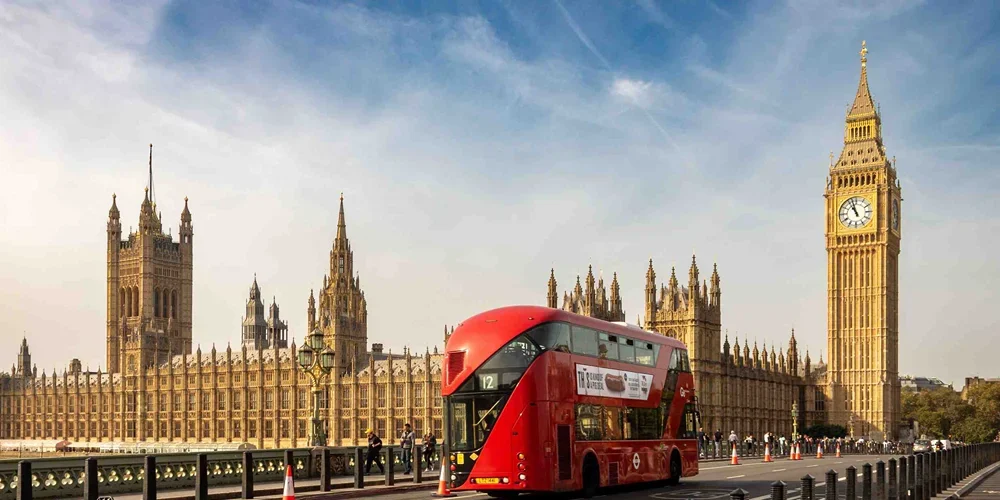
The zone is far smaller than ULEZ too. It covers central London specifically: the West End, the City, Covent Garden, Soho, and the area around King’s Cross and Buckingham Palace. Plenty of London postcodes sit well outside it.
Electric vehicles used to dodge this charge entirely. That changed on 25 December 2025, when the full EV exemption ended. Electric cars registered for Auto Pay now get a 25% discount instead of a full waiver. That works out to roughly £13.50 on the current £18 rate.
A quick way to think about it: if your vehicle is compliant with ULEZ, that tells you nothing about whether you’ll pay the Congestion Charge. They’re assessed completely separately, on completely different criteria.
Miss the payment window entirely, and a Penalty Charge Notice follows. That typically runs to £180, reduced to £90 if you pay within 14 days, similar in structure to the ULEZ penalty process.
Registering for Congestion Charge Auto Pay works differently to a one-off payment. You register your vehicle once, and TfL then charges you automatically for every entry. That usually works out at a slightly reduced rate compared to paying manually each time. For anyone driving into the zone regularly, that small saving adds up over a working month.
Do you have to pay both on the same trip?
Yes, if your vehicle is non-compliant and your journey crosses both zones during Congestion Charge hours. There’s no discount for paying one because you’re already paying the other.
Here’s a typical worked example. Drive a non-compliant car into central London on a weekday afternoon. You’re now inside both the ULEZ boundary and the Congestion Charge zone at the same time. That’s £12.50 plus £18, roughly £30.50 for the day, before parking or anything else.
That figure catches a lot of first-time visitors off guard. They’ve budgeted for one charge, seen a number online, and assumed that covers the whole trip. It doesn’t, if the vehicle isn’t compliant and the visit falls within Congestion Charge hours.
Stretch that across a working week rather than a single day, and the numbers add up fast. A non-compliant car making five weekday trips into central London pays roughly £152.50 across the week in charges alone, before fuel, parking, or anything else. That’s a figure worth comparing properly against a compliant vehicle, or a compliant chauffeur service.
A family visiting for a long weekend faces a smaller but still real version of the same problem. Arrive Friday evening in a non-compliant hire car, spend Saturday and Sunday in and around the centre, then leave Monday morning. That’s potentially three separate days of ULEZ charges, plus the Congestion Charge on the Friday and Monday if travel falls within the operating hours. None of it is enormous individually. Added together over a short trip, it’s a noticeable amount that a compliant vehicle would have avoided completely.
When you’d only pay one, not both
Drive into central London outside Congestion Charge hours, say on a Sunday morning, and the Congestion Charge won’t apply. You’d still pay ULEZ, though, if your vehicle isn’t compliant. ULEZ never switches off, remember, while the Congestion Charge has fixed hours.
Drive somewhere in outer London that sits inside the ULEZ boundary but well outside the Congestion Charge zone, and the same logic applies. You’d pay ULEZ alone if your vehicle needs it, with no congestion element at all.
The only truly simple scenario is a fully compliant, low-emission vehicle. That pays nothing for ULEZ, and either nothing or a reduced rate for the Congestion Charge, depending on whether it’s electric and registered correctly.
Booking a car for a London trip and want to skip working all this out? A quick note to your driver or booking team, covering roughly when and where you’re travelling, settles it in a couple of minutes. That beats cross-referencing two separate TfL pages the night before.
Is this the same scheme as Birmingham’s or Manchester’s Clean Air Zone?
No. Rules differ enough between cities that it’s worth clearing this up if you split your travel between them. Birmingham runs its own separate Clean Air Zone, and Manchester runs another, each with its own boundary, charge, and rules. None of these schemes talk to each other.
Being ULEZ-compliant in London tells you nothing about whether the same vehicle is compliant for Birmingham’s zone. In practice, the emissions standards used across most UK clean air schemes are similar enough. A modern, compliant car tends to clear all of them. Older or borderline vehicles are exactly where it pays to check each scheme separately, rather than assuming one clearance covers every city.
Does ULEZ apply if you’re heading to Heathrow?
Yes. Heathrow Airport sits within the London Borough of Hillingdon, which falls inside the ULEZ boundary. Any non-compliant vehicle travelling to or from Heathrow pays the standard ULEZ charge.
The Congestion Charge is a different story entirely. Heathrow sits nowhere near the much smaller central London zone. Trips to and from the airport never trigger that charge, regardless of the vehicle or the time of day.
That distinction matters more than people expect, because the two charges get mentioned together so often that some travellers assume Heathrow means both. It doesn’t. Heathrow means ULEZ only, if your vehicle isn’t compliant.
Driving to Heathrow from outside London, say from Birmingham down the M40 and M25, doesn’t trigger ULEZ until you leave the motorway network. Entering Greater London itself is what counts. The charge is about crossing into the zone specifically, not about the length or direction of your overall journey.
For anyone booking an airport transfer to or from Heathrow, this is worth confirming upfront rather than assuming. A properly compliant fleet means the ULEZ question doesn’t come up at all, and there’s no separate line item added to your fare afterwards.
Renting a car instead? The charge is still yours
Hiring a car for a London trip doesn’t change who’s liable for either charge. The registered keeper, or whoever’s driving under the rental agreement, still owes the money. Rental companies generally pass on any unpaid charges plus their own administration fee afterwards.
That administration fee is often the real sting. A missed £12.50 ULEZ charge can turn into £40 or £50 once a rental company’s processing fee gets added. That happens purely because the driver assumed the hire company handled it automatically. Some do offer to manage payments for a fee. Plenty don’t, and just forward the TfL notice once it arrives.
Anyone renting specifically for a London trip should ask the hire company directly, before driving away. Find out exactly how ULEZ and the Congestion Charge get handled on that agreement. It takes one question at the counter and avoids a considerably more annoying one later by email.
Are private hire cars and chauffeurs exempt from either charge?
No, and this catches a genuine number of people out. Neither ULEZ nor the Congestion Charge offers a blanket exemption for taxis, private hire vehicles, or chauffeur cars.
London-licensed black cabs are the one specific exception, and only for ULEZ, not the Congestion Charge. Standard private hire vehicles, including Uber and PCO-licensed cars, pay both charges under exactly the same rules as any other driver.
What that means in practice comes down entirely to the operator’s fleet, not the vehicle type. A private hire company running older, non-compliant cars pays both charges regularly, and those costs generally end up reflected in pricing somewhere. A company running a modern, ULEZ-compliant fleet avoids that charge entirely, though the Congestion Charge still applies during its operating hours regardless of vehicle emissions.
TfL has also tightened its own licensing rules separately from either charge. Since 2020, newly licensed private hire vehicles in London generally need to be zero-emission capable. That means many newer PHVs already avoid ULEZ by design rather than by chance. Older vehicles licensed before that rule still operate under previous standards, which is exactly why fleet age varies so much between operators.
Why fleet choice actually matters here
At National Executive Transfers, the entire Mercedes-Benz fleet meets current ULEZ standards. Travelling to Heathrow or anywhere else inside the zone in a non-compliant vehicle isn’t something that happens with this fleet. The Congestion Charge, where it applies, gets built into a fixed quote rather than added as a surprise afterwards.
That’s a real difference from booking a random private hire car and hoping for the best. You’re not checking the vehicle’s compliance yourself, and you’re not finding out about an extra charge after the invoice lands.
What should you check before driving into London?
Most of the confusion here comes down to timing and zone boundaries, not anything complicated.
Things to consider before your trip:
- Check your specific vehicle against the official TfL checker rather than assuming based on its age or how clean it looks.
- Remember ULEZ runs 24/7, while the Congestion Charge only applies during set hours, Monday to Friday and weekend afternoons.
- Confirm whether your route actually enters the much smaller Congestion Charge zone, since plenty of London postcodes sit inside ULEZ but outside it.
- If you’re driving an electric vehicle, register for Auto Pay to get the reduced Congestion Charge rate rather than paying the standard fee by default.
- Heading to Heathrow specifically? Expect ULEZ only, not the Congestion Charge, regardless of your vehicle.
- Booking private hire or a chauffeur? Ask directly whether the fleet is ULEZ-compliant, rather than assuming any licensed vehicle automatically is.
- Budget for both charges together if your trip genuinely crosses both zones during chargeable hours, rather than working from just one figure you’ve seen online.
None of these checks take long individually. Skip them, though, and the surprise usually lands as two separate charges on a statement, rather than the single figure most people expect. A five-minute check the night before a trip is genuinely cheaper than an unexpected penalty notice weeks later.
Print or save the checklist above if you’re planning a one-off trip rather than regular London driving. Most people only need to think through this properly once. A saved note beats trying to remember the detail from memory next time a London trip comes up.
Why let someone else worry about the charges
Everything above is entirely learnable in ten minutes. Most people just don’t have ten minutes to spare before a business trip, a wedding, or a flight they’re already running late for.
That’s really the case for booking a chauffeur rather than driving yourself or gambling on an unfamiliar private hire car. The compliance question gets answered once, by the fleet itself. Nobody’s cross-checking a number plate against a government website the morning of the trip.
This matters particularly for corporate travel, where a fixed, all-inclusive quote beats a marginally cheaper fare with charges bolted on afterwards. Finance teams processing expenses generally prefer one clean figure to reconcile, not a fare plus two separate TfL charges appearing days later.
Every National Executive Transfers journey runs in a Mercedes-Benz that already meets ULEZ standards. Travelling solo into London, the E-Class covers that comfortably. Travelling as a group, or heading to a central London venue with luggage, the V-Class handles it without a second vehicle needed.
The real comparison: driving yourself against booking ahead
Drive yourself into central London, and you’re managing several things at once: the vehicle compliance check, the Congestion Charge payment window, parking, and the actual driving. All of that, in traffic you probably don’t know well. None of that is impossible. It’s just a lot to hold in your head before a meeting you’re trying to prepare for.
A fixed-price transfer removes all of it in one step. The cost comparison against a self-drive trip rarely comes down to pounds alone. Weigh in the charges, the parking search, and the mental effort of navigating zones you don’t cross every day, and the picture changes.
Weekly business trips into London add up the same way the worked example above showed. There’s a genuine risk of getting the charges wrong, or simply forgetting one, across dozens of trips a year. Multiply that risk out, and a fixed, all-inclusive quote starts to look like the sensible default rather than an occasional convenience.
If your trip covers more ground than a single London visit, our existing guide to the Congestion Charge goes deeper into that specific scheme. It covers payment timing and zone-by-zone detail this article doesn’t repeat.
ULEZ and the Congestion Charge aren’t going anywhere, and both have got more expensive recently rather than less. Understanding which one applies to your trip takes a few minutes. Avoiding the question entirely takes one booking, with a compliant vehicle and a fixed price agreed before you even set off. That’s the whole point of building it into how you travel, rather than working it out fresh every single time.
Frequently Asked Questions
No. ULEZ charges the same flat rate across the entire zone, whether you're driving through central London or an outer borough. Location within the zone doesn't affect the price, only your vehicle's emissions do.
Yes. The charge applies to any non-compliant vehicle entering the zone, regardless of whether you stop, how long you stay, or whether London is your final destination.
In most cases, no, since the charge is based on your vehicle entering the zone during chargeable hours regardless of intent. Genuine payment errors can sometimes be queried directly with TfL, though this isn't guaranteed.
Not necessarily. Whether a hybrid avoids ULEZ depends on its specific emissions rating, not the fact it's a hybrid. Most hybrids meeting Euro 6 diesel or Euro 4 petrol standards do avoid ULEZ, but Congestion Charge treatment depends on separate registration and discount rules.
TfL's own site covers both schemes, though as separate sections rather than a single combined checker. Entering your registration checks ULEZ compliance directly; Congestion Charge payment is a separate process on the same site.
Yes. The ULEZ exemption for London-licensed taxis doesn't extend to the Congestion Charge. Black cabs pay that charge under different rules specific to licensed taxis, separate from the ULEZ exemption entirely.
No. Compliant vehicles don't need to register for ULEZ at all. The system checks your number plate automatically against DVLA records, so a compliant vehicle simply isn't charged, with nothing for you to submit in advance.
No. Both ULEZ and the Congestion Charge take Christmas Day off entirely, the one day of the year neither scheme operates. Every other day of the year, including other bank holidays, both schemes run as normal within their usual hours.
TfL publishes a zone map showing the exact boundary, which is worth checking against your specific route rather than guessing based on general area names. The zone is smaller than most people expect, so routes that sound central sometimes sit just outside it.
Often, yes, in pure cost terms, though that's a different comparison to the one this article focuses on. For business trips carrying luggage or working to a fixed schedule, a compliant chauffeur service usually beats public transport on time and convenience, even where the direct fare is higher.